
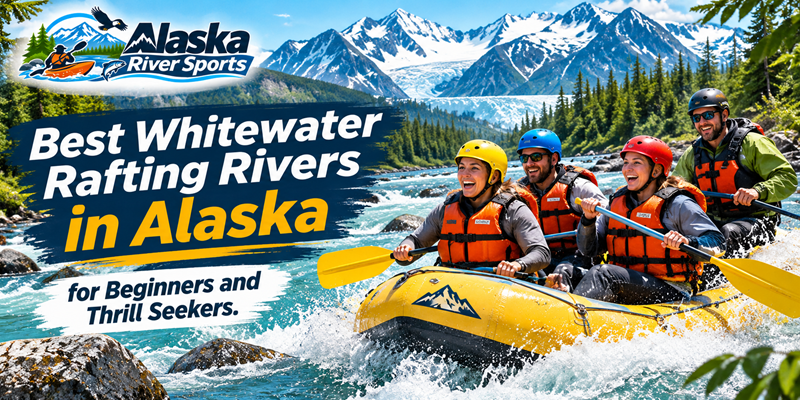
Best Whitewater Rafting Rivers in Alaska for Beginners and Thrill Seekers – Alaska offers some of the most dramatic waterways in North America. Towering glaciers feed fast-moving currents that carve through deep canyons and alpine valleys. Consequently, the Last Frontier attracts paddlers from every background. Choosing the right route is essential for a safe trip. Whether you want a gentle scenic float or a technical adrenaline rush, several premier whitewater rafting rivers in Alaska deliver unforgettable experiences.
Best Whitewater Rafting Rivers in Alaska for Beginners and Thrill Seekers
Before selecting a destination, every paddler must understand how guides rate rapids. The International Scale of River Difficulty classifies waterways from Class I to Class VI. Class I and Class II rivers feature calm water with small waves. These routes suit families and first-time rafters. In contrast, Class III and Class IV rapids contain powerful currents, boulders, and steep drops. Finally, Class V waterways demand expert paddling skills and strict safety protocols.
Top Alaskan Rivers for Beginners and Families
First-time rafters do not need prior experience to enjoy glacial waterways. Several accessible rivers combine mild currents with remarkable wildlife viewing opportunities.
-
Kenai River (Class I–II): Located on the Kenai Peninsula, this turquoise waterway provides a relaxed introduction to river travel. Guides navigate gentle currents past spruce forests and mountain peaks. Furthermore, rafters frequently spot bald eagles, moose, and spawning salmon along the banks.
-
Talkeetna River (Class I–II): Flowing south from the Talkeetna Mountains, the lower section of this river offers a peaceful float. Clear weather reveals sweeping views of Denali and the Alaska Range. Therefore, it remains a top choice for photographers and nature enthusiasts.
-
Upper Nenana River (Class II–III): Situated just outside Denali National Park, the upper stretch of the Nenana provides mild splashes without overwhelming drops. It allows beginners to practice basic paddle commands while enjoying dramatic canyon scenery.
Best Intermediate Routes for Active Paddlers
Once you master basic paddling techniques, intermediate rivers offer faster currents and continuous wave trains. These waterways balance technical maneuvering with scenic beauty.
-
Matanuska River (Class II–III): Located less than two hours north of Anchorage near Glacier View, the Matanuska River carries heavy glacial silt. The Lion Head section features bouncy waves and fast currents. Additionally, paddlers enjoy direct views of the massive Matanuska Glacier throughout the journey.
-
Resurrection River (Class II–III): Running near the coastal town of Seward, this river winds through temperate rainforests. Glacial melt swells the current during mid-summer, creating lively rapids that remain approachable for adventurous beginners.
Premier Rivers for Experienced Thrill Seekers
Seasoned rafters looking for intense action will find world-class challenges in southcentral and interior Alaska. These rivers require high physical stamina and certified commercial guides.
-
Nenana River Gorge (Class III–IV): Known locally as the Canyon Run, this eleven-mile stretch plunges through steep rock walls. Famous rapids like Ice Worm and Train Wreck deliver big waves and cold glacial splashes. Because the water moves swiftly, teamwork inside the raft is vital.
-
Sixmile Creek (Class IV–V): Located near the historic town of Hope, Sixmile Creek is Alaska’s premier commercial whitewater run. The creek drops rapidly through three narrow canyons inside Chugach National Forest. Rafters must pass a mandatory cold-water swim test before boarding. Moreover, the third canyon features technical drops such as Staircase and Jaws, which test even veteran paddlers.
Essential Safety and Seasonal Planning Tips
Timing plays a major role in Alaskan river sports. The primary rafting season runs from mid-May through early September. During July and August, warm temperatures accelerate glacial melt, raising water levels and increasing rapid intensity.
Because Alaskan rivers originate from melting ice, water temperatures stay near freezing all summer. Consequently, reputable outfitters supply thick dry suits, personal flotation devices, and helmets. Rafters should always wear synthetic or wool base layers underneath their dry suits. Avoid cotton clothing, as it retains moisture and rapidly drains body heat.
By matching your skill level to the proper river classification, you ensure a rewarding trip on the water. Whether drifting peacefully down the Kenai or charging through Sixmile Creek, Alaska’s rivers provide unmatched outdoor adventure.
